
Ducati MH900e
The MH900e mixed memories of Ducati’s older racing twins with modern running gear—and reached its buyers through an early internet-only launch.
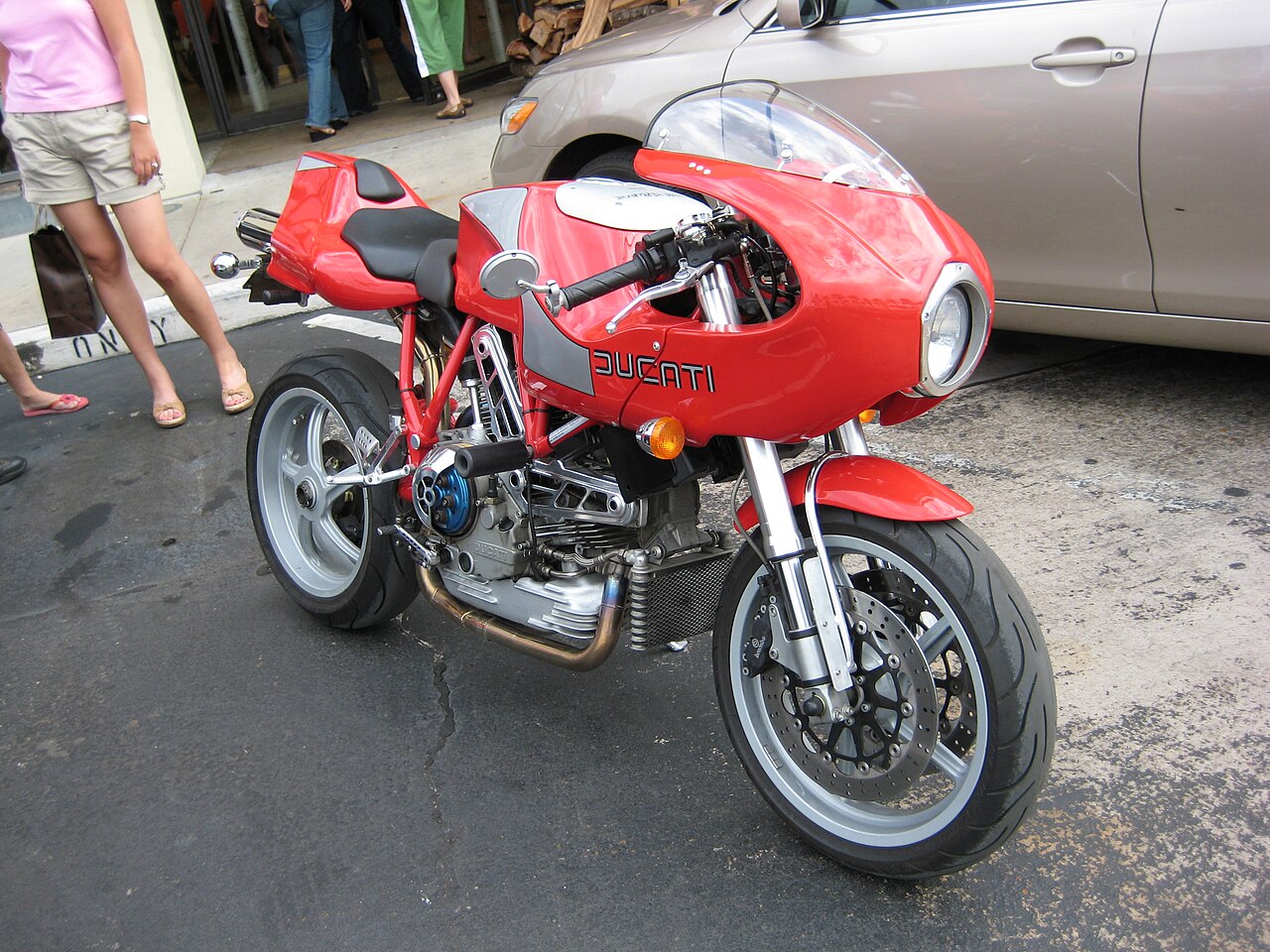
Ducati 900 MHe.jpg · JaseMan · CC BY 2.0
What did this one sell for?
Make a guess, then reveal one identity-matched completed auction result. It is a comparison point, not a price promise.
Reveal the auction result
Based on a completed sale at Bring a Trailer, an estimated value for this vehicle is $25,000.
Why this sale: Exact 2001 production Ducati MH900e Evoluzione, number 675 of 2,000, with air-cooled fuel-injected 904 cc desmodromic L-twin, dry clutch and six-speed chain-drive transmission; not the show prototype or an earlier Mike Hailwood Replica. 1,300 miles shown and primarily displayed by both owners. November 2024 work included paint touch-up, detailing, brake-fluid and oil service plus replacement of the taillight, left fairing graphic, plate bracket, brake pedal and throttle. Ducabike inspection covers and SpeedyMoto fork sliders were fitted.
Winning bid; Bring a Trailer's 10% motorcycle buyer service fee in effect for the listing, taxes and transport are excluded. One auction result is a reference, not an appraisal; condition, history, options, location and market timing can change value. Accepted as an exact production-year and mechanical-specification completed sale. Low mileage/display history is value-positive, while replacement cosmetic/control parts and aftermarket covers/sliders distinguish it from a fully original example.
More than a set of wheels.
Pierre Terblanche created the MH900e as a modern interpretation of the old Mike Hailwood Replica theme. Production examples reached riders in 2001, with an air/oil-cooled twin and distinctive red-and-silver bodywork. Ducati’s annual filing records 2,000 limited-edition motorcycles sold online in January 2000 and delivery of the full allocation by spring 2003. Order date and model year therefore tell different parts of its story.
Look a little closer.
Its familiar round tachometer shared the instrument panel with a digital speed display.
Photos show an example of the model or generation. The pictured vehicle’s year, equipment, or modifications can differ from the specification described here.
Retro appearance, modern compromises
The production motorcycle did not keep every detail of the showbike. Bruno de Prato’s 2001 ride report explains that noise requirements led to a revised exhaust with a large resonator. The tall seat also provided clearance between the exhaust and the rear wheel as the suspension compressed. Its shape therefore reflects packaging and production decisions as well as historical inspiration.
Source: Bruno de Prato, Cycle World · Ducati MH900e, May 2001 ↗A limited edition becomes an internet experiment
Ducati’s own 2002 annual filing says that the entire 2,000-bike MH900e allocation was sold exclusively online in January 2000. Deliveries continued later, finishing by spring 2003. This was a different way to match buyers to a special motorcycle and helped Ducati develop its internet business. The dates distinguish a digital order launch from physical production and delivery.
Source: Ducati Motor Holding · 2002 Form 20-F, SEC filing ↗Where these facts come from
- Ducati · 2001 MH900e owner manual, mirrored by ManualOwl
- Ducati · 2001 MH900e owner manual, engine and timing (printed p.53)
- Ducati · 2001 MH900e owner manual, frame and wheels (printed p.56)
- Bruno de Prato, Cycle World · Ducati MH900e, May 2001
- Ducati Motor Holding · 2002 Form 20-F, SEC filing
Selected facts checked for this edition. Some source pages link to broader model families. Last reviewed 2026-10-02.